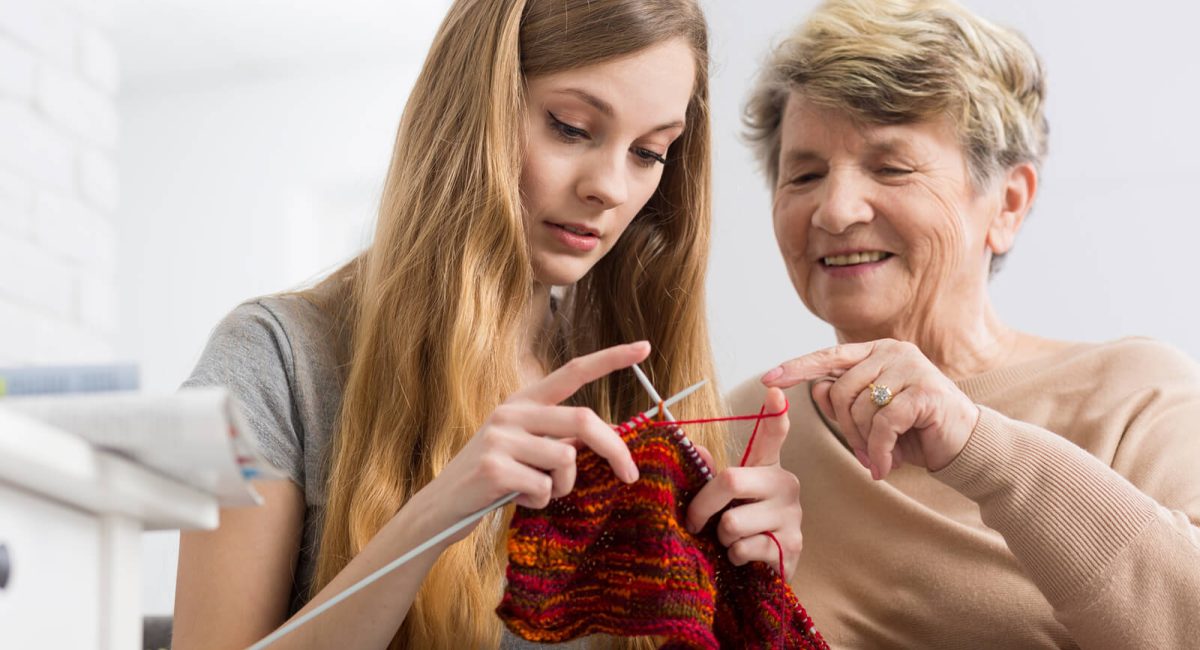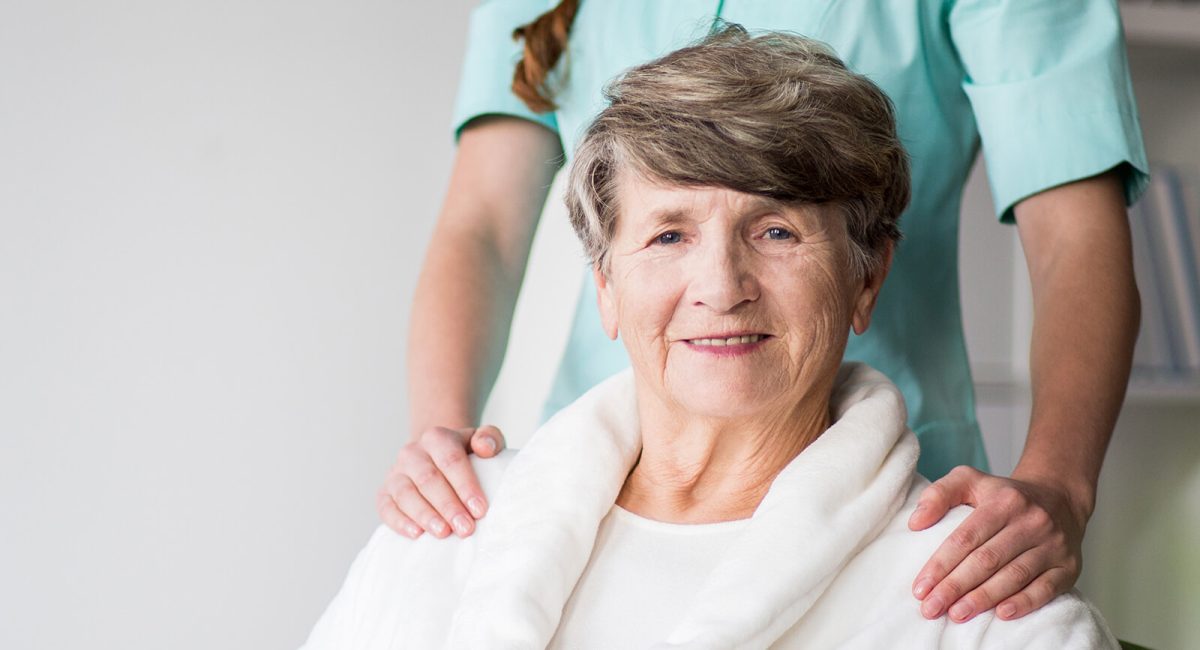
Kenya's Trusted
Home Care Partner.

Compassionate Home Care Rooted in Trust.
At Boma Stay Care, we bring professional, personalized care to your doorstep
ensuring your loved ones feel safe, respected, and cared for within the comfort of home.
Would you rather stay at home than go into a health care facility or nursing home?
Boma Stay Care, will provide the following home health care programs at flexible schedules and cost-friendly service rates.

Hourly home care
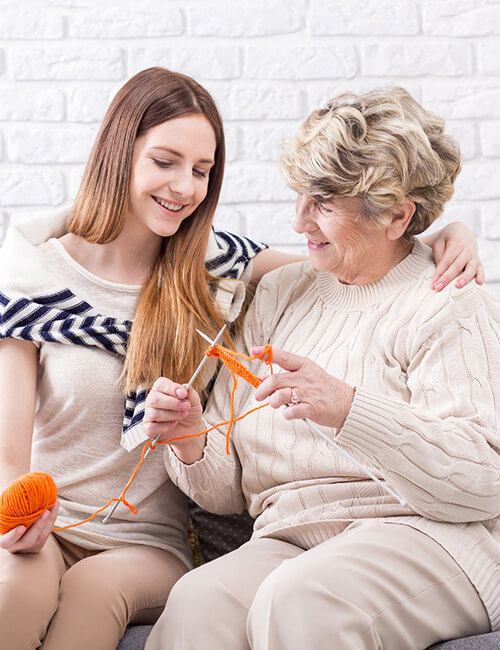

Hospital to home care

Respite home care
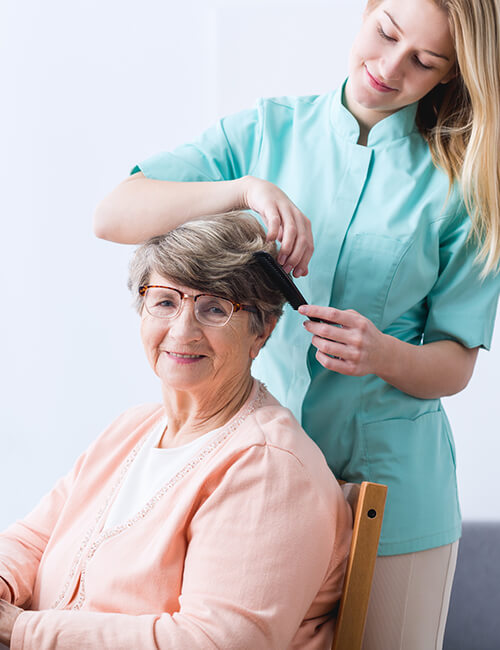
Specialized care
Knowledge center
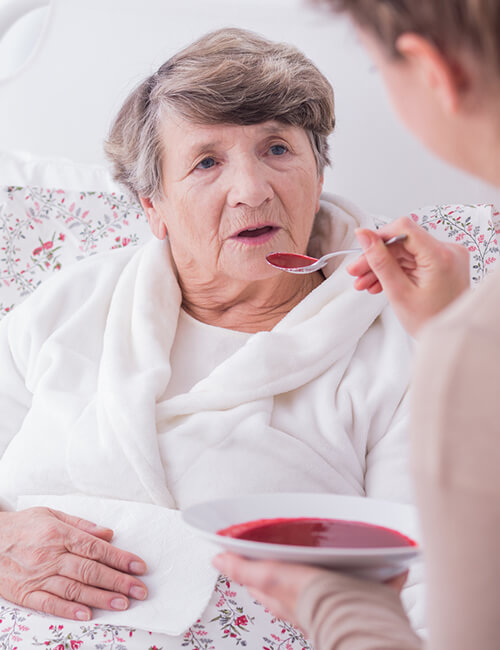
A Caregiver is someone who is compassionate, dependable, skilled, and above all, trustworthy. At Boma Stay Care, we are dedicated to selecting only the very best caregivers to support individuals in the comfort of their homes. Our team provides personalized care that promotes dignity, independence, and well-being — giving families peace of mind, knowing their loved ones are in safe and caring hands.
An Exceptional Business Opportunity with Boma Stay Care
The demand for in-home senior care services is growing rapidly — not just globally, but right here in Kenya. As life expectancy increases and traditional family structures evolve, more families are seeking reliable, professional care for their elderly loved ones at home.
In mature markets like the United States, the in-home senior care industry was valued at approximately $22 billion in 2013, with a projected compound annual growth rate (CAGR) of 10% over the next several decades. These trends are now becoming evident in sub-Saharan Africa, especially in urban areas like Mombasa, Nairobi, and Kisumu, where:
-
The urban population is rising.
-
Family members are busier or live abroad.
-
There’s growing awareness and acceptance of professional home care as a dignified alternative to institutionalization.
📊 Population Trends and Demand Drivers – The Case for Senior Care in Kenya
Kenya, like many parts of the world, is experiencing a quiet but powerful demographic shift.
Currently, there are over 2.7 million people aged 60 and above in Kenya (Kenya National Bureau of Statistics). By 2050, this number is projected to double, reflecting both a longer life expectancy and improvements in healthcare access.
Today, the average life expectancy in Kenya is approaching 67 years, and continues to rise due to better health education, reduced mortality rates, and improved medical services. As this trend accelerates, the need for long-term, dignified senior care services will grow dramatically.
🔍 What’s Driving the Demand?
-
Urbanization and Family Migration
Many young adults are moving to cities or abroad, leaving elderly family members without daily support. -
Changing Family Dynamics
Traditional extended family care systems are weakening, leading to increased demand for professional home care. -
Growing Awareness
More families are embracing the value of quality, personalized care at home instead of institutional care. -
Healthcare Strain
Public hospitals are overwhelmed, making at-home recovery and long-term care a more attractive option.
📊 Kenya Population Aged 60+ (2000–2050)
Why choose Boma Stay Care?
We are committed to being your shoulder to lean on and providing honest advice for your loved one’s situation during this delicate time.
Daily care experts
We specialize in around the clock care to help seniors live well at home.
Peace of mind
Independent industry surveys place our client satisfaction rate at 97%.
Available 24/7
We are available 24 hours a day to provide your loved one with a caregiver.
A trusted partner
Boma Stay Care is the trusted referral choice for elder care professionals.
Balanced care
Our unique approach to care promotes healthy mind, body and spirit.
Cognitive therapeutics
Fun yet effective activities designed by experts to keep aging minds sharp
high caliber caregivers
We typically hire only 1 in 25 applicants and provide ongoing training.
No long term contract
Use our services only as long as you’re 100% satisfied.
Stay up to date with the latest news & press releases.
Provides general information and discussion to promote broad consumer understanding and knowledge about various health-related topics.